Ivrea, Italy: what to see in the UNESCO city of castles and canals
On 16 April 2026 by SilviaNestled in the foothills of the Italian Alps, Ivrea presents a captivating blend of medieval architecture, industrial heritage, and natural beauty that makes it one of Piedmont’s most intriguing destinations. When exploring what to see in Ivrea, Italy, visitors discover a UNESCO World Heritage site that seamlessly weaves together ancient castles, historic canals, and innovative 20th-century design. This charming city offers an authentic Italian experience away from the crowds, where Roman ruins stand alongside modernist masterpieces and orange battles create legendary festivities.
The Red Castle: Ivrea’s Medieval Crown Jewel
Dominating Ivrea’s skyline, the imposing Castello Rosso (Red Castle) serves as the city’s most recognizable landmark and a testament to medieval military architecture. Built in 1358 by Count Amedeo VI of Savoy, this fortress earned its name from the distinctive red brick construction that glows magnificently at sunset. The castle’s four cylindrical towers rise majestically above the historic center, offering visitors panoramic views of the surrounding Alpine landscape and the Dora Baltea valley below.
Inside the castle, interactive exhibitions detail the complex history of the House of Savoy and the strategic importance of Ivrea throughout the centuries. The well-preserved rooms showcase medieval life, complete with period furnishings and armor displays. Don’t miss the castle’s dungeon, where stone walls still bear witness to its more somber past, and the elegant courtyard that hosts cultural events during summer months.
UNESCO World Heritage: The Olivetti Legacy
Understanding what to see in Ivrea, Italy extends far beyond medieval structures to encompass one of the world’s most significant examples of 20th-century industrial architecture. In 2018, UNESCO recognized Ivrea as the “Industrial City of the 20th Century” for its extraordinary collection of Olivetti company buildings that revolutionized workplace design and urban planning.
The Olivetti complex represents a unique vision of industrial humanism, where renowned architects like Adriano Olivetti, Luigi Figini, and Gino Pollini created spaces that prioritized worker welfare and community integration. Key sites include the iconic ICO Building with its distinctive glass façade, the residential complexes at Borgo Olivetti, and the striking Palazzo Uffici designed by Figini and Pollini. These modernist masterpieces demonstrate how industrial architecture can harmoniously blend functionality with aesthetic beauty.
Wandering the Historic Canals and Waterways
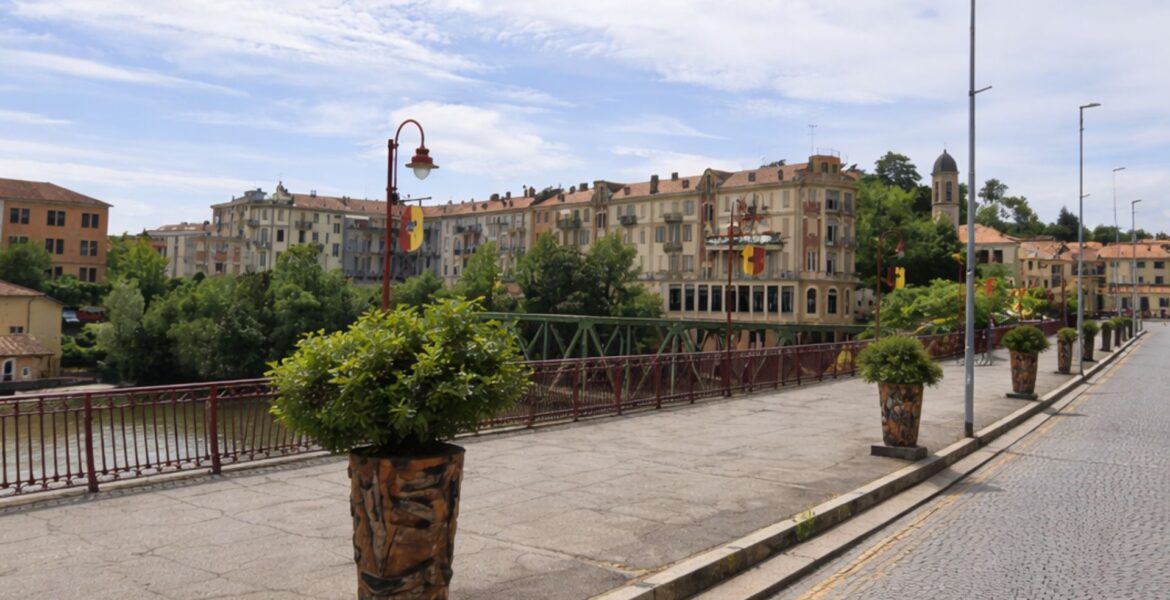
Ivrea’s intricate network of canals, known as the Naviglio di Ivrea, reveals another fascinating layer of the city’s identity. These waterways, originally engineered in the Middle Ages to power mills and workshops, now create picturesque walking routes through the historic center. The canals wind past colorful medieval houses, under ancient stone bridges, and through peaceful gardens where locals gather for evening strolls.
The most scenic canal walk begins near the cathedral and follows the waterway toward the Dora Baltea River. Along the route, visitors encounter traditional workshops, artisan boutiques, and cozy cafés where you can sample regional specialties like toma cheese and local wines. The sound of flowing water provides a soothing soundtrack as you explore hidden courtyards and discover architectural details that span centuries of Italian craftsmanship.
Cathedral and Religious Heritage
The Duomo di Ivrea, dedicated to Santa Maria Assunta, stands as a remarkable example of religious architecture that has evolved through multiple historical periods. The current neoclassical façade, completed in the 18th century, conceals layers of earlier construction dating back to the 4th century. Inside, visitors find an impressive collection of frescoes, sculptures, and religious artifacts that chronicle the spiritual life of Ivrea’s community.
Adjacent to the cathedral, the archaeological excavations reveal remains of the original early Christian basilica and Roman structures, providing tangible connections to Ivrea’s ancient past. The bell tower, constructed in the 15th century, offers another vantage point for viewing the city’s remarkable architectural diversity. The nearby Church of San Bernardino features beautiful Renaissance frescoes that complement the cathedral’s artistic treasures.
The Famous Orange Battle: Carnevale di Ivrea
No exploration of what to see in Ivrea, Italy would be complete without experiencing its world-famous Carnival celebration, featuring the legendary Battaglia delle Arance (Battle of the Oranges). This unique festival, held annually before Lent, transforms the city into an epic battlefield where teams of “aranceri” (orange throwers) engage in spirited combat using oranges as ammunition.
The three-day celebration reenacts a medieval rebellion against tyrannical rule, with different neighborhoods forming teams that represent various historical factions. Spectators can safely observe from designated areas while participants, protected by special gear, engage in this colorful and aromatic warfare. Beyond the orange battles, the carnival features elaborate parades, traditional costumes, and medieval banquets that bring Ivrea’s history to vivid life.
Natural Beauty and Outdoor Activities
Ivrea’s strategic location at the entrance to the Aosta Valley provides easy access to stunning natural landscapes and outdoor recreation opportunities. The nearby Serra Morainica offers hiking trails through ancient moraine hills dotted with small lakes formed by glacial activity. These pristine environments support diverse wildlife and provide peaceful retreats just minutes from the city center.
Lake Pistono and Lake Sirio, both within short driving distance, offer swimming, fishing, and boating during warmer months. The surrounding hills feature vineyards producing excellent Erbaluce wines, while marked trails connect scenic viewpoints overlooking the Po Valley and distant Alpine peaks. These natural attractions make Ivrea an ideal base for exploring Piedmont’s diverse landscapes.
Whether you’re drawn by medieval castles, revolutionary architecture, or unique festivals, Ivrea offers an unforgettable Italian experience that combines historical depth with contemporary relevance. Plan your visit to discover this remarkable UNESCO city where every street corner reveals new stories, and ancient traditions continue to thrive alongside modern innovations. Start planning your Piedmont adventure today and uncover the many treasures that make Ivrea one of northern Italy’s most compelling destinations.
Leave a Reply